How long does SEO take for small businesses

If you are a small business owner investing time, money, or effort into SEO, one question naturally comes first:

“How long does SEO actually take to show results?”

The honest answer is not “overnight” — but it is also not “years” if done correctly.

In this guide, we will explain:

  • How long SEO takes for small businesses
  • What happens at each stage of the SEO timeline
  • What factors speed up or delay results
  • How to know if your SEO is working
  • When SEO starts generating real leads and revenue
  • The Short Answer: How Long SEO Takes

    For most small businesses:
  • 1–3 months: Foundation and visibility improvement
  • 3–6 months: Keyword movement and early traffic growth
  • 6–9 months: Consistent traffic and lead generation
  • 9–12 months: Strong rankings and predictable ROI
  • SEO is a long-term growth channel, not a quick-fix marketing tactic.
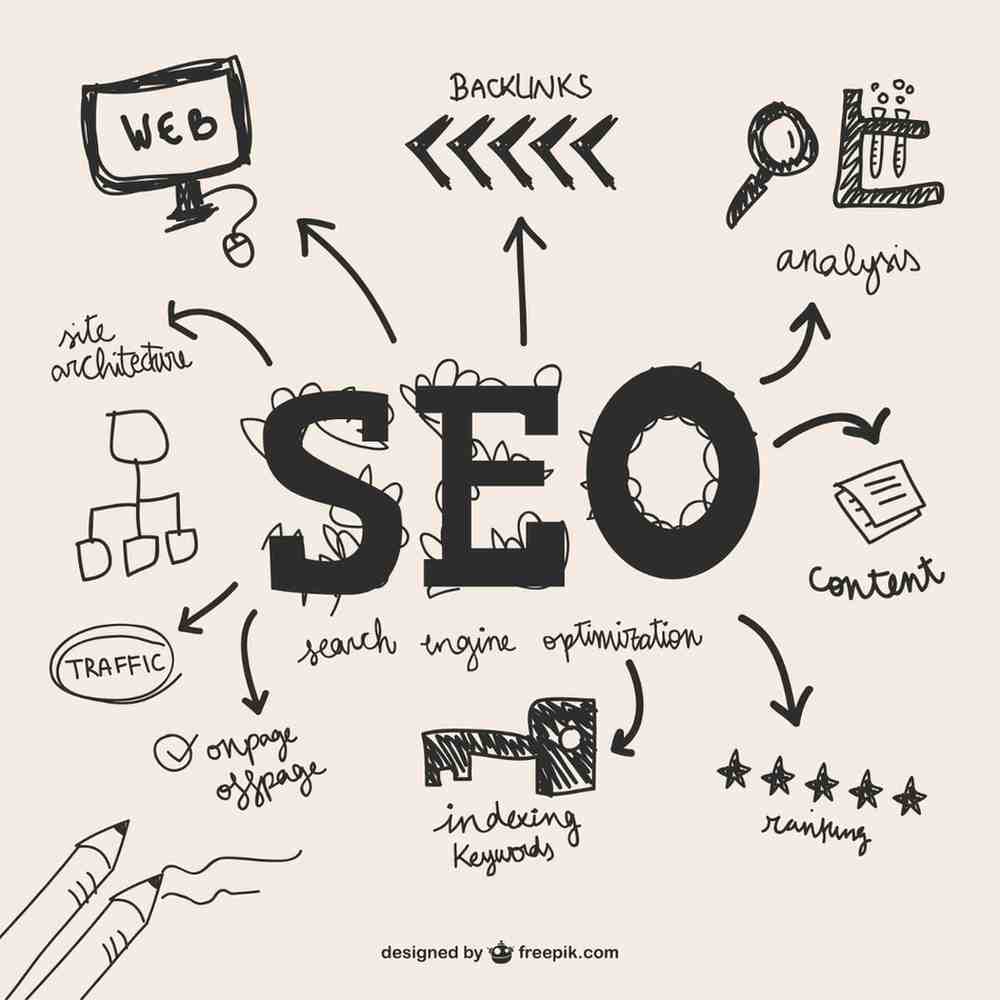
    SEO Process

    Why SEO Takes Time (And Why That’s a Good Thing)

    Search engines like Google evaluate trust, relevance, and authority before ranking a website.

    For a small business, SEO requires:

  • Technical optimization
  • High-quality content creation
  • Authority building through backlinks
  • User experience improvements
  • Unlike paid ads, SEO builds compounding results. Once rankings improve, traffic continues without paying per click.

    SEO Timeline Breakdown for Small Businesses

    Month 1: SEO Foundation & Audit Phase

    This stage focuses on fixing what is holding your website back.

    Key activities:
  • Technical SEO audit
  • Website speed optimization
  • On-page SEO fixes
  • Keyword research
  • Competitor analysis
  • Content gap analysis
  • Results you may see:
  • Improved indexing
  • Better crawlability
  • Slight ranking fluctuations (normal)
  • This stage is critical. Skipping it delays results later.
    SEO Strategy

    Months 2–3: Content & On-Page Optimization

    Now your website starts speaking Google’s language.

    Key activities:
  • Publishing SEO-optimized blogs
  • Optimizing service pages
  • Internal linking improvements
  • Local SEO optimization (if applicable)
  • Results you may see:
  • Keywords start appearing in search results
  • Low-volume keywords begin ranking
  • Small increases in organic traffic
  • This is when patience matters most.

    Months 4–6: Authority & Ranking Growth

    This is where SEO begins to feel “real.”
    Key activities:
  • High-quality content expansion
  • Backlink acquisition
  • Continuous optimization
  • Conversion tracking
  • Results you may see:
  • Page 2 → Page 1 movement
  • Noticeable traffic growth
  • First organic leads and inquiries
  • For most small businesses, this is the turning point.
    Search Engine

    Months 6–12: Consistent Leads & ROI

    At this stage, SEO becomes a reliable acquisition channel.
    Key activities:
  • Scaling content
  • Strengthening authority
  • Conversion rate optimization
  • Refining keyword strategy
  • Results you may see:
  • Stable top-ranking keywords
  • Predictable inbound leads
  • Reduced dependency on paid ads
  • Factors That Affect SEO Timelines

    1. Website Age & History

    Older domains with clean history rank faster than brand-new websites.

    2. Competition Level

    Local service SEO is faster than national or international SEO.

    3. Website Quality

    Slow, poorly structured websites delay SEO success.

    4. Content Quality

    Thin or generic content rarely ranks today.

    5. SEO Strategy

    Shortcuts and outdated tactics slow progress—or cause penalties.
    Link Building


    How to Know If Your SEO Is Working

    SEO success should be measured by:

  • SEO success should be measured by:
  • Organic traffic growth
  • Conversion rate from organic traffic
  • Lead quality and volume
  • If these are improving month over month, SEO is working.

    Is SEO Worth It for Small Businesses?

    Absolutely—when done correctly.

    SEO delivers:

  • Long-term traffic
  • Lower cost per lead
  • Higher trust from customers
  • Sustainable growth
  • Unlike ads, SEO does not stop working when budgets pause.

    Dashboard

    Why Small Businesses Fail at SEO

    Common mistakes include:

  • Expecting instant results
  • Choosing cheap, low-quality SEO services
  • Ignoring content strategy
  • No conversion optimization
  • No clear KPIs
  • SEO requires expertise, consistency, and strategy.

    How TechnoSculpt Helps Small Businesses Succeed with SEO

    At TechnoSculpt, we build SEO strategies designed specifically for small and growing businesses, focusing on:

  • High-intent keyword targeting
  • Content that converts visitors into leads
  • Technical SEO that supports growth
  • Transparent reporting and measurable results
  • 👉 Want to know how long SEO would take for your business?

    Book a free SEO audit and strategy call with TechnoSculpt today.

    Book a Free Strategy Call Now
    Scroll to Top